Categories

As one of the oldest forms of visual entertainment, animation has developed into a global medium used in films, television series, short films, advertising, education, video games, and digital media. Today, animated productions encompass a wide variety of artistic styles and storytelling approaches, ranging from children's entertainment and family films to documentaries, experimental works, and productions intended for adult audiences.

Types of Animation

Animation includes several distinct production methods, each with its own artistic characteristics and technical processes.

Traditional Animation visual

Traditional Animation

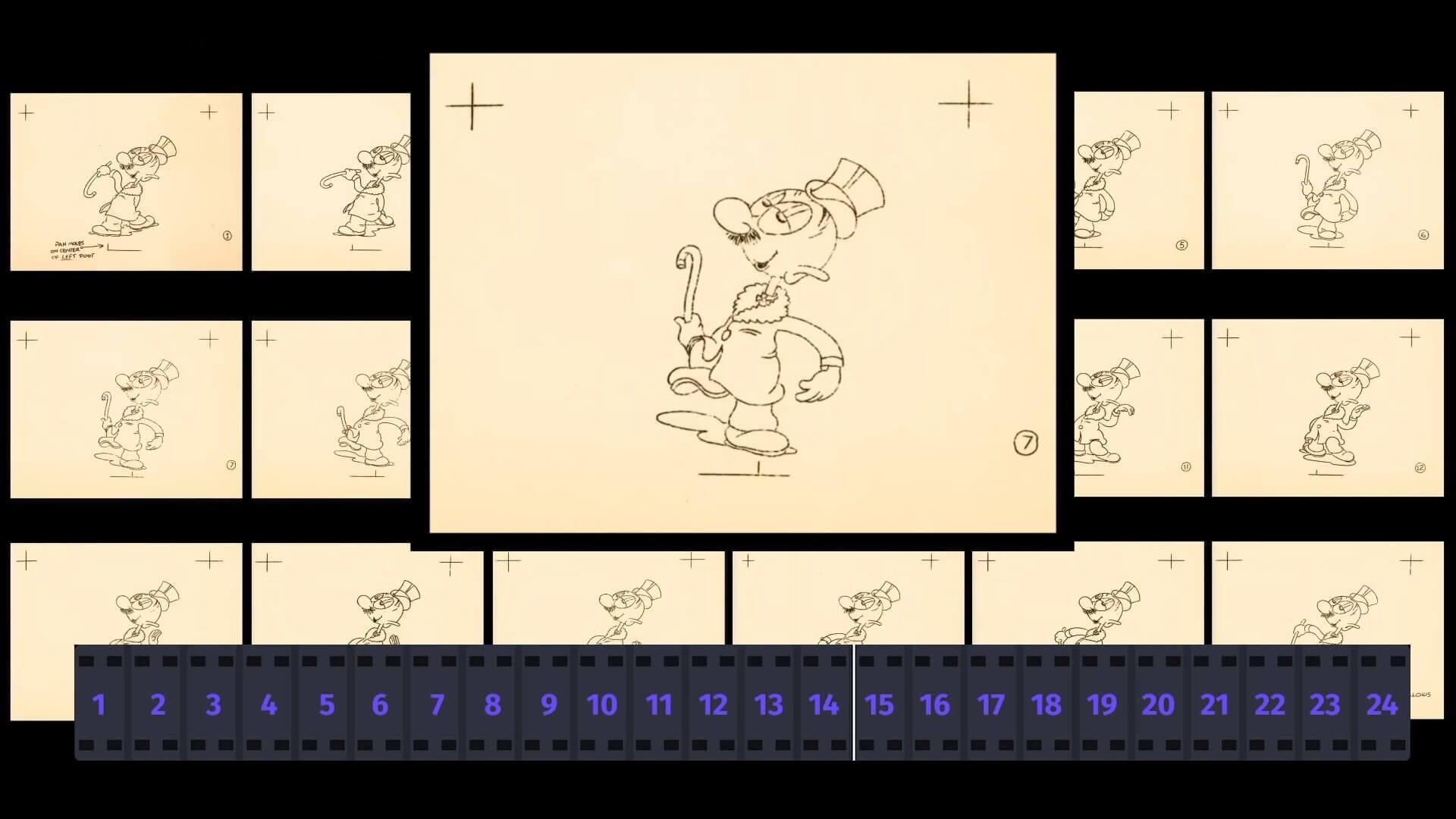
Traditional animation, also known as hand-drawn or cel animation, is created by drawing individual frames by hand. Historically, these drawings were transferred onto transparent celluloid sheets and photographed over painted backgrounds. Although largely replaced by digital techniques, traditional animation remains an important artistic style and continues to influence modern productions.

2D Digital Animation visual

2D Digital Animation

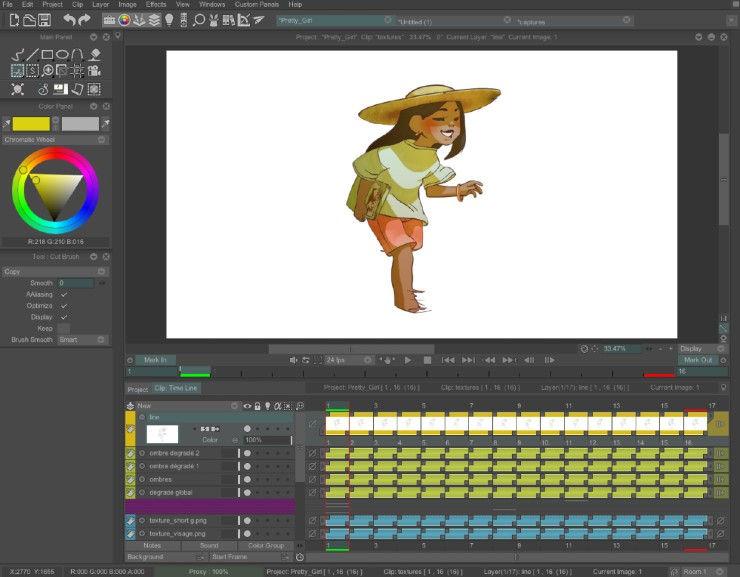
2D digital animation uses computer software to create characters, backgrounds, and movement within a two-dimensional space. Digital tools have streamlined many aspects of production while preserving the visual style associated with traditional hand-drawn animation.

3D Computer Animation visual

3D Computer Animation

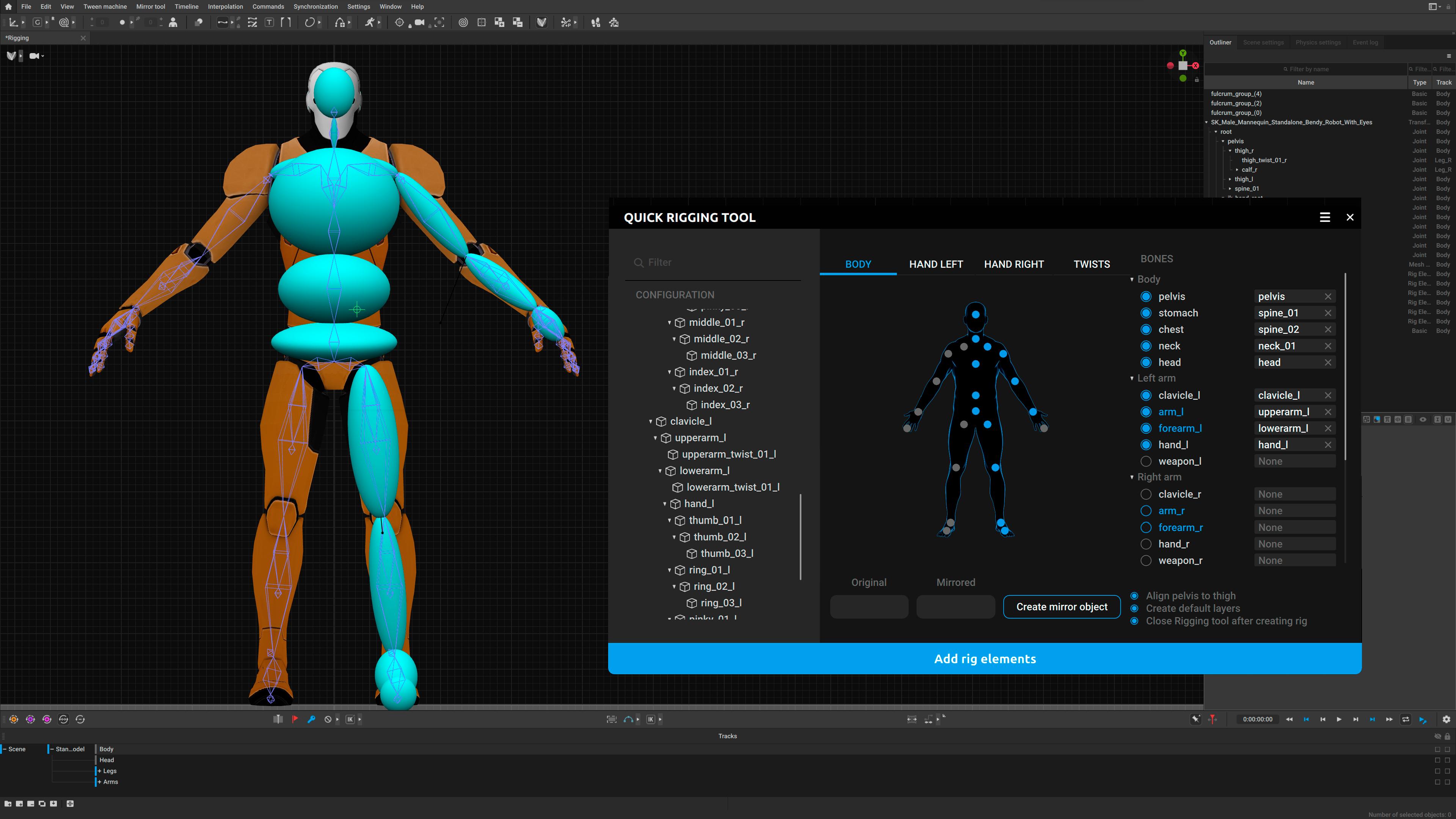
3D animation creates characters and environments using three-dimensional computer models. Animators manipulate digital skeletons, lighting, cameras, and textures to produce realistic or stylized movement. Today, 3D animation is widely used in feature films, television, advertising, and video games.

Stop Motion Animation visual

Stop Motion Animation

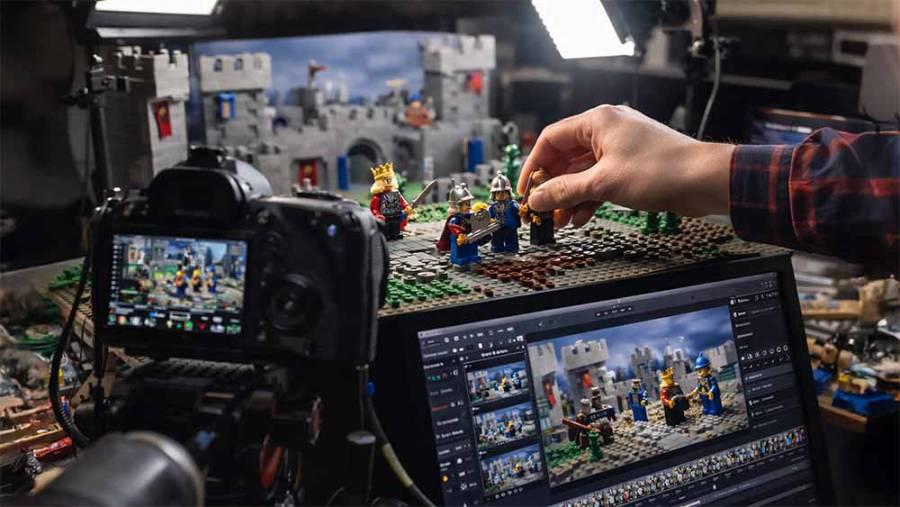
Stop motion animation is produced by photographing physical objects one frame at a time while making small adjustments between each photograph. Common forms include clay animation, puppet animation, and object animation. When the images are played sequentially, the objects appear to move naturally.

Motion Graphics visual

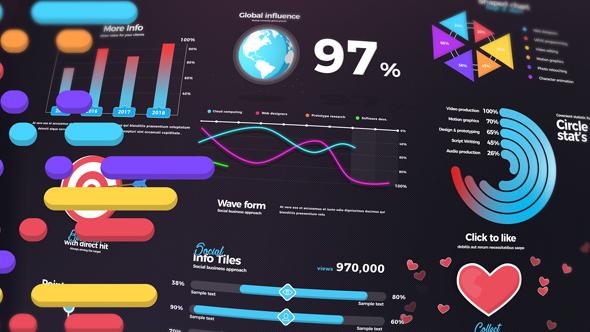
Motion Graphics

Motion graphics combine graphic design with animation to create moving text, symbols, charts, logos, and visual effects. They are widely used in title sequences, advertising, news broadcasts, educational videos, and digital presentations.

Experimental Animation visual

Experimental Animation

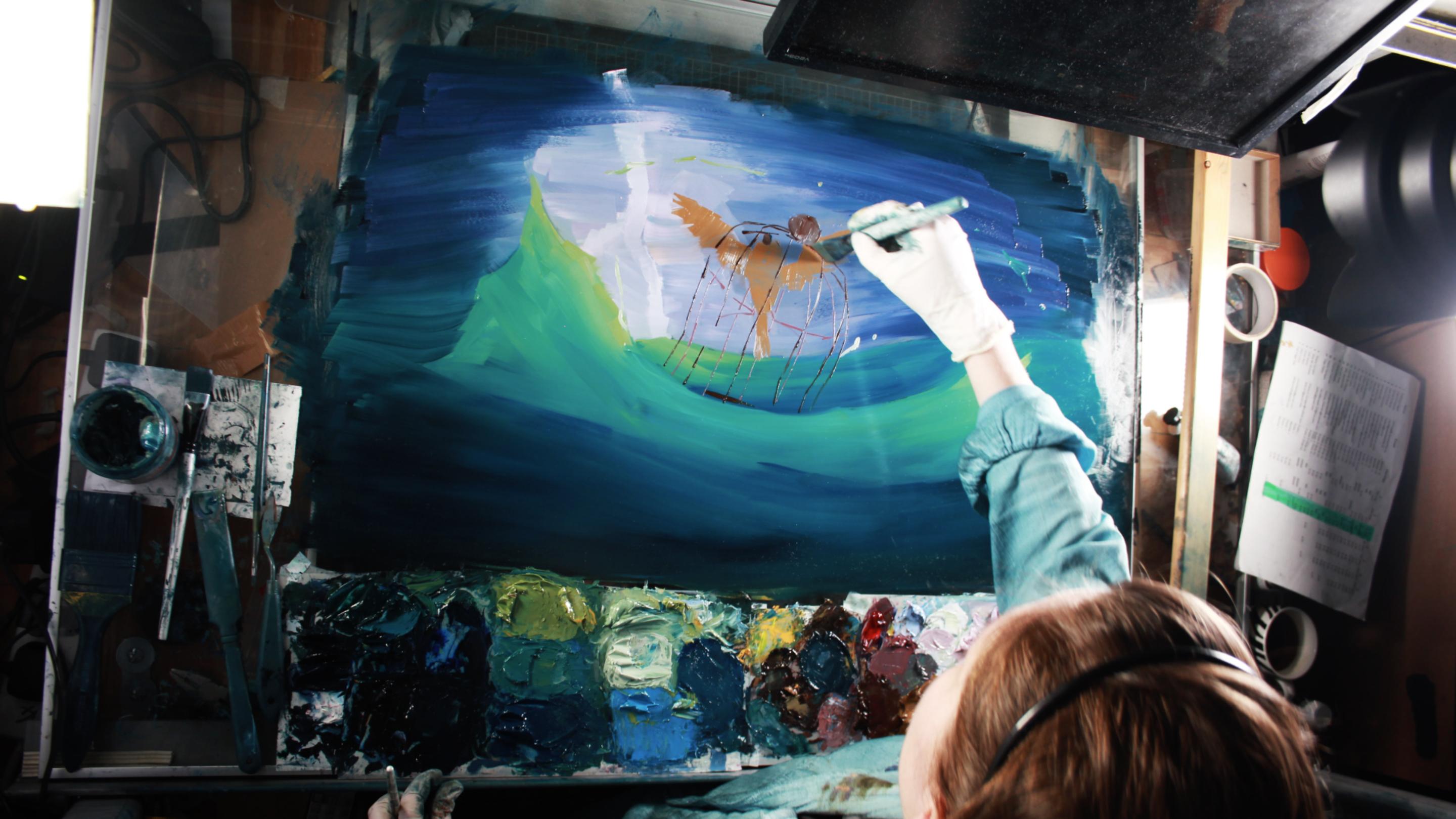
Experimental animation emphasizes artistic expression and innovation over conventional storytelling. Artists often explore abstract imagery, unconventional techniques, or mixed media to create unique visual experiences.

Animation Production Insights

History of Animation

The origins of animation can be traced back to the 19th century, when inventors developed optical devices that created the illusion of motion through rapidly changing images. Early inventions such as the phenakistiscope, zoetrope, and praxinoscope demonstrated the basic principles of animated movement long before the invention of motion pictures.

The first decades of the 20th century saw the emergence of hand-drawn animated films. Artists created movement by drawing thousands of individual frames, each with slight changes in position or expression. As filmmaking techniques improved, animation became an important part of the entertainment industry, particularly through theatrical short films and later feature-length productions.

During the second half of the 20th century, television introduced animated series to wider audiences, while advancements in computer technology gradually transformed the production process. Computer-generated imagery (CGI) and digital animation tools expanded creative possibilities, allowing filmmakers to produce increasingly detailed characters, environments, and visual effects.

Today, animation is produced worldwide and continues to evolve through new technologies such as real-time rendering, virtual production, and artificial intelligence-assisted workflows.

History of Animation visual

Animation Around the World

Animation Production

Creating an animated production typically involves several stages:

Development

The creative process begins with an idea, script, concept art, and character design.

Pre-production

Artists create storyboards, animatics, voice recordings, and production plans before animation begins.

Production

Animators produce character movement, environments, visual effects, and camera animation using either traditional or digital techniques.

Post-production

Editors assemble the completed animation while adding sound effects, dialogue, music, color correction, and final visual adjustments.

Large-scale animated productions may require hundreds of artists and several years of development before release.

How Animation Works

Go to Blog

Animation is based on the principle of persistence of vision, in which rapidly displaying a sequence of still images creates the perception of continuous movement.

Most animated productions are presented at frame rates between 24 and 60 frames per second (fps). Each frame represents a single image, and the slight differences between consecutive frames produce smooth motion when played in sequence.

Depending on the production technique, animators may create every frame individually or use software to generate intermediate movements automatically.

Reviews & Ratings

See how audiences respond to storytelling quality, visual creativity, and emotional impact across animation categories.

Mika L.9.1/10

Stylish visuals and surprisingly deep themes. Great pacing from start to finish.

Chris N.8.8/10

World-building is excellent and the voice cast really sells emotional moments.

Aya R.9.0/10

Strong characters, memorable soundtrack, and great episode-to-episode momentum.

Leo P.8.7/10

Easy to binge, with consistent quality and a satisfying overall narrative arc.

Frequently Asked Questions

What genres are common in animation?

Animation spans nearly every major genre found in live-action filmmaking, including action, adventure, comedy, drama, fantasy, science fiction, horror, mystery, romance, musical, documentary, educational, family, superhero, and historical themes. Many modern productions blend multiple genres to reach wider audiences.

What are the main stages of animation production?

Most projects follow four core stages: development, pre-production, production, and post-production. This workflow helps teams move from concept and planning to completed, polished visual storytelling.

What happens during development and pre-production?

Development starts with the idea, script, concept art, and character design. In pre-production, creators build storyboards, animatics, voice recordings, and production plans before full animation begins.

What happens during production and post-production?

During production, animators create character movement, environments, effects, and camera motion using traditional or digital methods. In post-production, editors assemble scenes and finalize dialogue, sound effects, music, color, and visual adjustments.

How long does a large-scale animated project usually take?

Large animated productions can involve hundreds of artists and may take several years of development and production before release.

Which technologies are commonly used in modern animation?

Common technologies include CGI, motion capture, performance capture, digital compositing, physics simulation, real-time rendering, virtual production, and AI-assisted animation tools.

How do streaming platforms influence animation today?

Streaming has expanded global access to animated content and supported productions from many countries. It has also accelerated growth in limited series, anthology formats, and original animated releases for different age groups.

Why is animation culturally important beyond entertainment?

Animation influences popular culture, education, and creative industries. It supports books, games, toys, and merchandising, and is widely used in fields such as education, science, medicine, architecture, engineering, and advertising to communicate complex ideas clearly.

What can I explore in the Animation section on Movie Box?

Movie Box offers animated films and series from around the world across many genres and styles, including classics, contemporary titles, family content, anime, and original productions. The library is organized to help users discover both influential works and newer releases.

Trusted Partners