

Kate Winslet
Academy Award-winning actor acclaimed for emotionally rich performances in drama and romance films.

Browse people profiles by professional role and creative influence, from leading performers to filmmakers and behind-the-scenes storytellers.
Academy Award-winning actor acclaimed for emotionally rich performances in drama and romance films.

Oscar-winning actor known for charismatic screen presence, from iconic franchises to prestige dramas.
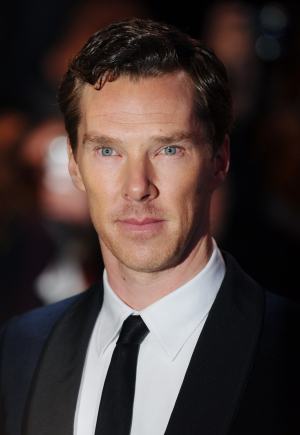
Versatile British actor recognized for intense, cerebral performances across film, TV, and stage.

Rising actor praised for nuanced fantasy and period roles with strong emotional depth.

Critically acclaimed actor celebrated for bold role choices in thrillers, dramas, and independent cinema.

Award-winning performer admired for her range from musicals and comedies to powerful dramatic work.
Preparing for a role often involves extensive research, script analysis, rehearsals, and collaboration with directors and fellow cast members. Depending on the production, actors may also undergo physical training, dialect coaching, or study historical and cultural contexts relevant to their characters.
Successful performances combine technical skill with emotional authenticity, allowing audiences to engage with believable characters and compelling stories.
Outstanding acting performances are recognized by numerous national and international awards. Honors are presented across categories such as leading actor, supporting actor, ensemble cast, comedy, drama, and voice performance, celebrating excellence in both film and television.
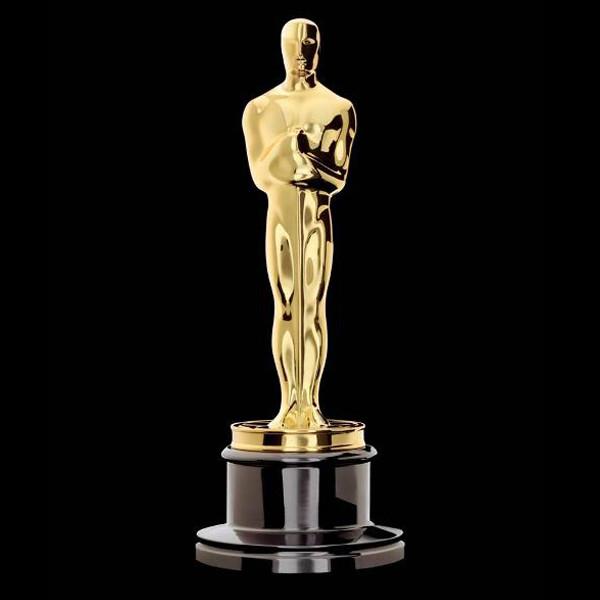
Actors are the performers who bring stories to life through their characters, emotions, and performances.
From classic cinema to modern streaming series, actors have played a central role in the evolution of film and television. Their performances shape how stories are remembered, influence popular culture, and often define entire genres and franchises. Through collaboration with directors, writers, and production teams, actors help turn creative ideas into compelling visual narratives.
Directors oversee the artistic and dramatic aspects of production, working closely with actors, writers, cinematographers, editors, and designers to guide every stage of storytelling—from script interpretation to the final edit.
Throughout the history of cinema and television, directors have introduced distinctive filmmaking styles, innovative techniques, and unforgettable visual languages. Their creative decisions influence everything from performances and pacing to cinematography, sound, and atmosphere, making them one of the driving forces behind every production.
Writers develop the characters, dialogue, structure, and narrative that form the foundation of every production, transforming ideas into scripts ready for the screen.
From original screenplays to adaptations of novels, comics, historical events, and real-life stories, writers play a vital role in shaping the emotional depth and narrative direction of films and television. Their work provides the blueprint that guides directors, actors, and production teams throughout the creative process.
A director is the principal creative leader responsible for overseeing the artistic vision and storytelling of a film or television production. Working closely with writers, producers, actors, cinematographers, editors, composers, and designers, directors guide every stage of production.
The role of the director developed alongside the growth of the film industry in the early twentieth century. Over time, many directors became recognized for distinctive visual styles, narrative techniques, and recurring thematic interests. Their work has contributed significantly to the evolution of cinema and television as artistic mediums.

Spanning a wide range of genres, cultures, and time periods, films combine storytelling, acting, cinematography, music, and visual effects. Explore classic favorites, modern blockbusters, independent films, and award-winning cinema from around the world, all in one place.
TV shows offer audiences deeper character development and long-form storytelling. From drama and comedy to crime, fantasy, documentaries, and reality programming. Discover acclaimed series, trending releases, and timeless classics across every genre.
Animation includes feature films, television series, short films, and animated specials for audiences of all ages. Explore a diverse collection of animation, from timeless classics and family favorites to anime, independent productions, and contemporary digital creations.
A screenwriter creates the screenplay that serves as the foundation of production, including story, characters, dialogue, settings, pacing, and dramatic structure. This script guides directors, actors, and production teams throughout the filmmaking process.
Screenwriting developed in the early years of cinema as productions needed more structured narratives and clearer planning. As films became longer and more complex, scripts evolved into detailed documents covering scenes, dialogue, actions, and transitions.
Screenwriters work across feature films, television series, limited series, animated productions, short films, documentaries, and web series. In large TV productions, writing is often done by teams under a head writer or showrunner.
Screenplays usually begin with an idea or concept, then move through outlines, treatments, multiple drafts, and revisions. Scripts can continue changing during production based on collaboration with directors, actors, and producers.
Directors shape the creative vision of a film or series and oversee artistic and dramatic execution from script interpretation to final edit. Their decisions influence performance direction, pacing, cinematography, sound, and overall atmosphere.
Writers build the narrative blueprint for each project by developing characters, dialogue, structure, and emotional arcs. Whether creating original scripts or adaptations, their work defines the story foundation used by the full production team.